All posts by bkrammes21

Members’ Sustainability Reports – May 2015

Sustainability Report – Lawn management: Hiro has started to reduce his lawn footprint to cut down on time on mowing primarily as a motivation but also because of the positive impact on the environment. An area of lawn the size of 10 X 15 yards has now been replaced by recent new projects in Hiro’s yard. Lawn maintenance is causing lots of environmental problems due to emissions from mowers not to mention other gas-powered equipment we routinely use. The runoff of fertilizers and herbicides into our streams can be eliminated or cut down by reducing lawns and replacing them with other planting options that attract pollinators, butterflies and other helpful insects into the garden.  Hiro recommends checking out this website for other ideas at www.lawnreform.org.

Joanie spoke on water sustainability and agriculture in particular where they are trying very hard to reduce their need for water by looking for alternative ways processing food.  Joanie mentioned that her garden worker who is a student at the U. of Del is very interested in sustainability and sent her 40 pages of information on the topic!  Joanie summarized by giving us some ideas to reduce electricity use by turning off monitors and other electronics when not actively using them.  Use LED bulbs instead of the incandescent type.

There are lots of opportunities to reduce or replace energy use so look for just one or two ways in our own homes and it will significantly impact the environment.

Exercise Tips for Gardeners by Kris Qualls

Kris reported the article, titled “Exercise Tips for Gardeners” in AARP The Magazine as her sustainability report at our April monthly meeting.

“An hour of gardening can reduce stress, boost bone density, and burn a whopping 300 calories. But all that bending, squatting, raking, and lifting can challenge muscles as much as any competitive sport.”

Read more detail in the AARP article.

April Highlights

April 16: Monthly Meeting: “Gesneriads Plants from Around the World” at Cokesbury Village (726 Loveville Rd., Hockessin, DE 19707)

Barbara Borleske, a renowned Gesneriad judge
and longtime member of the Delaware African Violet
Society, will share her enthusiasm and passion for
gesneriads, and why she believes they are … ” the
most interesting and desirable of all horticultural
plants “. Barbara enjoys entering flower shows with
her remarkable specimens, and will display many of
the award winning plants.

All Cokesbury residents and friends are cordially
invited to attend this free program being held in the
Atrium Meeting Room, on Thursday, April 16, 2015,
beginning at 10:30 am. This will be a colorful and
entertaining opportunity to welcome Spring to the
Cokesbury Village Community.

No reservations needed. Just come and enjoy!

April 2 at 10 AM: Tweed’s Gardening

April 15: 2015 DFGC Meeting and Installation

  • At Executive Banquet and Conference Center, 205 Executive Drive, Newark, DE

April 24: DCH Rare Plant Auction

Food Wastes by Barb Boyce

We waste a lot of food each year. According to an article in the NY Times 2-25-15, “60 million tons of food is wasted a year in the US, with an estimated value of $162 Billion. About 32 metric tons of it end up in municipal landfills, at a cost of about $1.5 billion a year to local governments.” “Food waste is not only a social cost, but it contributes to growing environmental problems like climate change, experts say, with the production of food consuming vast quantities of water, fertilizer, and land. The fuel that is burned to process, refrigerate and transport it also adds to the environmental cost. Most food waste is thrown away in landfills,, where it decomposes and emits methane, a potent greenhouse gas.”

According to government figure, an estimated 40% of all edible food in the US is wasted at a cost of $165 billion a year. This is from farm to fork, all segments of the food chain.

Percentage of food waste by average American (from Natural Resources Defense Council):

·       33% meats

·       25% seafood

·       20% vegetables

·       18% grains

·       17% dairy products

·       15% fruits

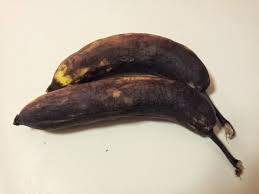
Remember the three R’s: recycle, reuse, and reduce when it comes to food waste. Recycle by using compost; reuse black bananas into banana bread or smoothies; reduce the amount you make or purchase. We need to prevent food waste as well as find better ways to deal with it.

According to USDA: FOOD:

1.     Buy it with thought

2.     Cook it with careimages-1

3.     Use less wheat and meat

4.     Buy local foods

5.     Serve just enough

6.     Use what is left; don’t waste it images